E-Waste Explained: Separating Myths from Facts About Recycling
E-waste is a growing concern in today's digital age. Numerous individuals harbor misunderstandings about its recycling. Widespread assumptions indicate that electronic waste is unrecyclable or that options for disposal are scarce. Such misconceptions may impede proper recycling practices and worsen environmental harm. Grasping the facts surrounding e-waste handling is crucial. How does e-waste truly affect the environment, and what steps can individuals take toward a more sustainable tomorrow? Investigating these matters brings forth critical understanding.
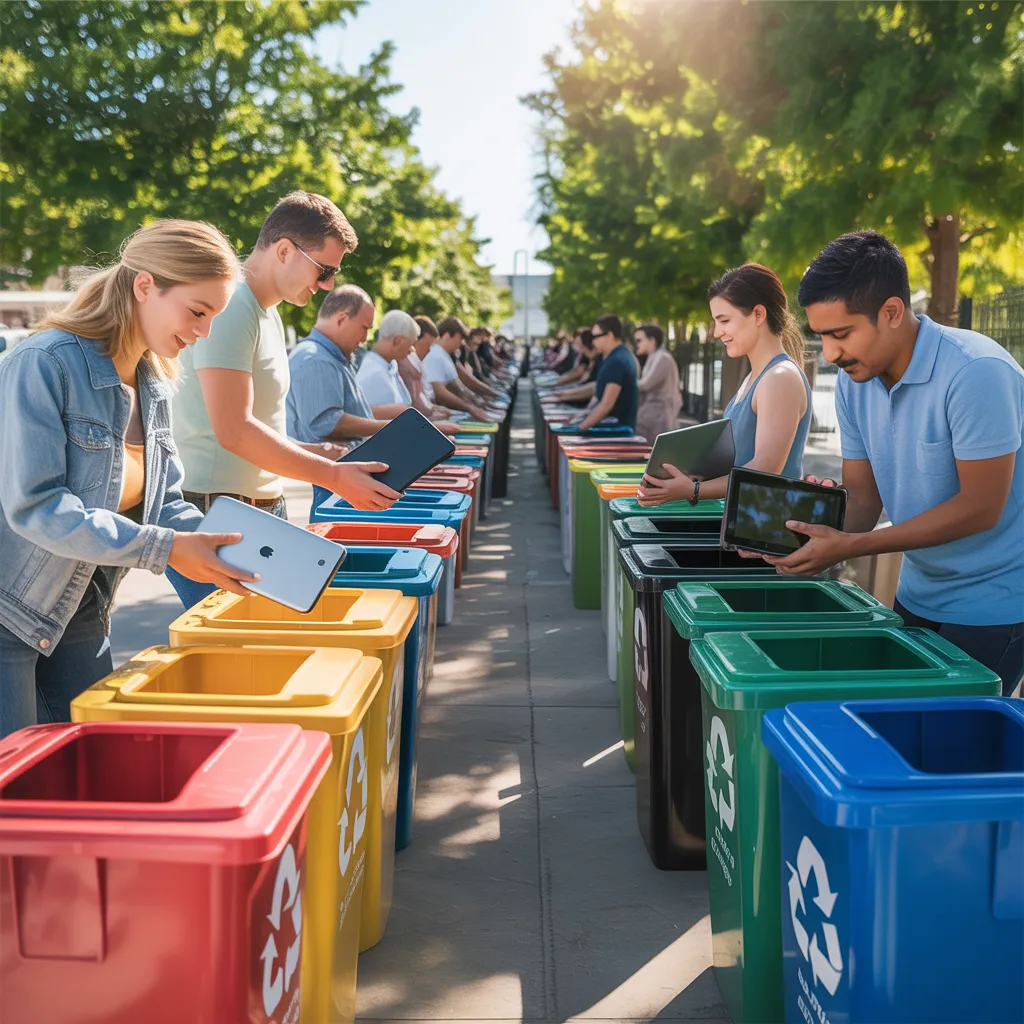
Understanding E-Waste: What It Is and How to Dispose of It Responsibly
E-waste, also referred to as electronic waste, encompasses unwanted electrical equipment such as computers, mobile phones, and televisions. This type of waste is growing at an alarming rate as a result of the rapid advancement of technology, resulting in considerable environmental challenges. Many electronic devices contain hazardous materials such as lead, mercury, and cadmium, which can pose risks to human health and ecosystems when improperly disposed of.
The responsible handling of e-waste includes recycling through accredited programs that guarantee secure processing and management. Various local and national organizations offer collection events, drop-off centers, and mail-in recycling options. Consumers are encouraged to check for certification labels, such as R2 or e-Stewards, to confirm their e-waste is managed responsibly. Furthermore, contributing working devices to charitable organizations can prolong their useful life while minimizing waste. By gaining knowledge about e-waste and implementing appropriate disposal techniques, individuals can support a more sustainable future and lessen environmental consequences.
Busting Popular Myths Surrounding E-Waste Recycling
How can common misconceptions about e-waste recycling hinder effective disposal practices? Misunderstandings surrounding e-waste recycling often lead to improper disposal methods, ultimately exacerbating the problem. A common myth is that all e-waste can be recycled, which may encourage complacency. In reality, not all components can be processed effectively, and some may require specialized handling. A further misconception is that e-waste recycling is overly complex or expensive, discouraging individuals from taking part. As a matter of fact, a great many communities make available accessible and cost-free recycling programs. Additionally, the belief that e-waste simply ends up in landfills undermines the significant efforts of recycling organizations that prioritize responsible processing. These falsehoods not only deceive the public but also hinder the unified effort essential for managing e-waste in a sustainable manner. Addressing and debunking these misconceptions is essential for fostering responsible consumer behavior and enhancing the overall effectiveness of e-waste recycling initiatives.
What Is the Environmental Impact of Ignoring E-Waste Recycling
Failing to recycle e-waste presents serious dangers to the environment. When electronics are disposed of incorrectly, hazardous materials such as lead, mercury, and cadmium may contaminate Schedule soil and water sources, resulting in serious environmental pollution. These toxic substances pose health risks to wildlife and humans alike, damaging ecosystems and polluting food supplies.
Additionally, the stockpiling of e-waste in landfills contributes to the depletion of natural resources. Critical metals and materials that have the potential to be salvaged and reused are wasted, elevating the demand for new mining operations, which additionally degrades the environment. In addition, the carbon footprint connected to manufacturing new electronics is intensified, as raw materials are harvested and utilized.
Effective Techniques for Recycling Your Old Electronics
Considering disposing of outdated electronic devices, various reliable approaches exist for people. Regional recycling facilities typically deliver reliable ways to dispose of such items, making certain that all materials undergo proper processing. In addition, donating serviceable gadgets can increase their longevity while supporting individuals who could use assistance.
Neighborhood Recycling Efforts
A growing number of communities offer neighborhood recycling efforts tailored to address the responsible handling of outdated electronic equipment. These programs aim to reduce digital waste by offering convenient drop-off points and planned pickup events. Community members can typically access guidelines on acceptable items, guaranteeing that dangerous components are handled correctly. Community recycling programs often collaborate with certified e-waste recyclers, who follow environmental regulations to reclaim valuable materials and dispose of harmful components responsibly. Certain initiatives additionally provide rewards, including reduced pricing on replacement devices, to motivate resident engagement. By utilizing these local resources, individuals can contribute to environmental sustainability while guaranteeing their outdated equipment is processed safely and efficiently. Understanding these opportunities is critical for conscientious electronic waste handling.
Charitable Donation Options
Community recycling initiatives not only offer a method for appropriate disposal but also generate opportunities for contributing used electronics. Numerous organizations welcome working devices, including computers, smartphones, and tablets, which can be redirected for educational or philanthropic purposes. Schools, non-profits, and community centers often welcome such donations, ensuring that valuable technology reaches those in need. Additionally, some manufacturers and retailers offer trade-in programs, allowing individuals to exchange old devices for store credit, which promotes sustainability. It is important to investigate nearby alternatives and confirm that the accepting organization adheres to ethical recycling standards. By choosing to donate over throwing away, individuals can lengthen the lifespan of electronic devices while fulfilling their community's technological demands.
The Ways E-Waste Recycling Helps You and the Environment
Despite being underestimated by many, e-waste recycling presents meaningful gains for both consumers and the natural world. By properly recycling electronic waste, individuals can ensure that useful substances, such as alloys and polymers, are reclaimed and repurposed, minimizing the demand for raw material extraction. This not only preserves our natural reserves but also decreases environmental damage associated with industrial and processing operations.
Moreover, e-waste recycling helps prevent toxic substances, such as lead and mercury, from seeping into the soil and water supply. Through keeping e-waste out of landfills, neighborhoods can significantly reduce potential health risks to humans and animals alike.
In addition, taking part in e-waste recycling can create economic opportunities, as the recycling industry produces job opportunities and stimulates local financial growth. When all is considered, conscientious e-waste handling cultivates a sustainable future, supporting public health, the natural world, and the economy alike. Understanding these benefits can prompt more people to take part in e-waste recycling programs.
Discovering Local E-Waste Recycling Programs in Your Area
How do people go about finding e-waste recycling programs in their community? Several helpful resources are available to support this effort. Local municipalities commonly host websites that catalog certified recycling facilities. Such websites generally provide information on accepted items and applicable fees. In addition, organizations such as Earth911 provide searchable databases, allowing users to find nearby e-waste drop-off locations by entering their zip codes.
Community events, such as e-waste collection days, are regularly arranged by local governments or nonprofit organizations, offering convenient options for sustainable waste handling. Electronic goods sellers may also take part in recycling programs, taking in unused equipment for proper processing. Moreover, state-level ecological departments often provide direction on electronic waste handling and can guide people to credible recycling options. By taking advantage of these options, individuals can guarantee their electronic waste is disposed of responsibly, promoting a greener future.
Frequently Asked Questions
Is It Possible to Repair E-Waste Rather Than Recycle It?
E-scrap can often be repaired instead of recycled, subject to the condition of the device and the availability of replacement parts. Restoring increases the useful life of the device and reduces environmental impact, providing a sustainable alternative to traditional recycling methods.
What Types of Electronics Are Considered E-Waste?
Electronic waste includes discarded electronic devices for example televisions, computers, smartphones, tablets, appliances, and printers. These electronics commonly include toxic components, which makes proper recycling and disposal critical for protecting the environment and public health.
Are There Any Legal Regulations on E-Waste Disposal?
Indeed, there are legal regulations managing e-waste disposal. Numerous regions and nations introduce laws to secure responsible recycling and disposal, working to limit ecological damage and promote responsible management of discarded electronics through established standards and guidelines.
What Are the Safe Ways to Store E-Waste Prior to Recycling?
When it comes to safely storing e-waste before recycling, individuals should keep devices in a cool, dry place, ensure all power sources are disconnected, and use sturdy containers to prevent damage. Clearly label all items to ensure correct disposal at a later time.
What Certifications Should I Look for in E-Waste Recyclers?
When selecting electronic waste recyclers, people should seek out certifications like R2 (Responsible Recycling), e-Stewards, and ISO 14001. These qualifications confirm compliance with environmental standards and responsible handling of electronic waste across the full recycling process.